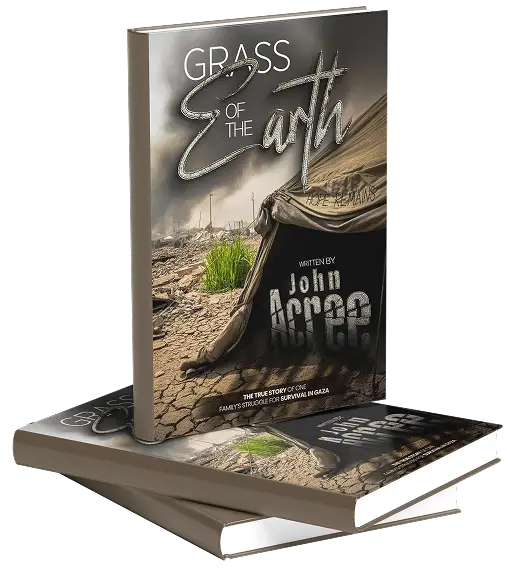
Grass of the Earth is a haunting true account of survival inside Gaza, where hunger, and silence collide. Through the eyes of one family trapped between war, political collapse, and global indifference, John Acree delivers a deeply human story that transforms headlines into lived reality.
John Acree transforms statistics into living, breathing people, fathers clutching starving children, mothers preserving fading traditions, families fighting to keep their identities alive while the world reduces them to numbers.
Award-winning author, educator, and humanitarian storyteller John Acree has spent years exploring the power of narrative to preserve truth across cultures and generations. In Grass of the Earth, he brings readers into the collapsing reality of Gaza through the deeply personal experiences of families trying to survive impossible circumstances.
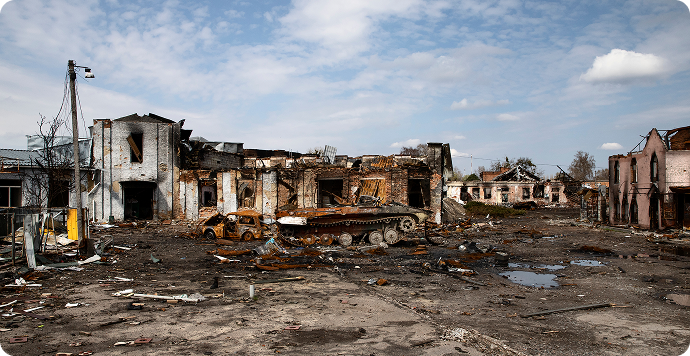
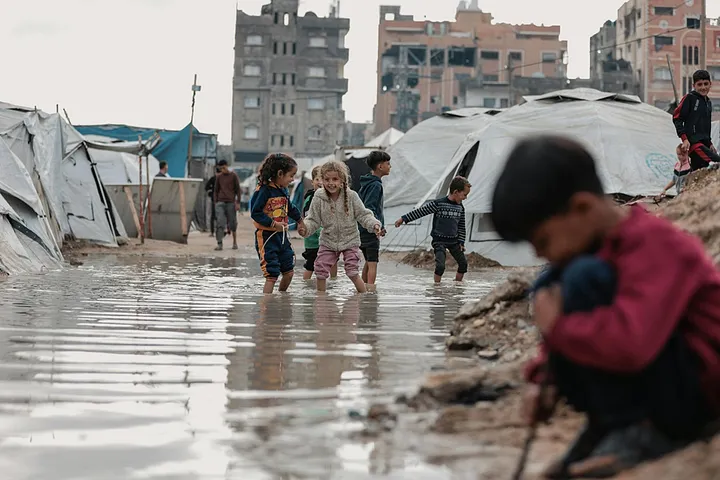
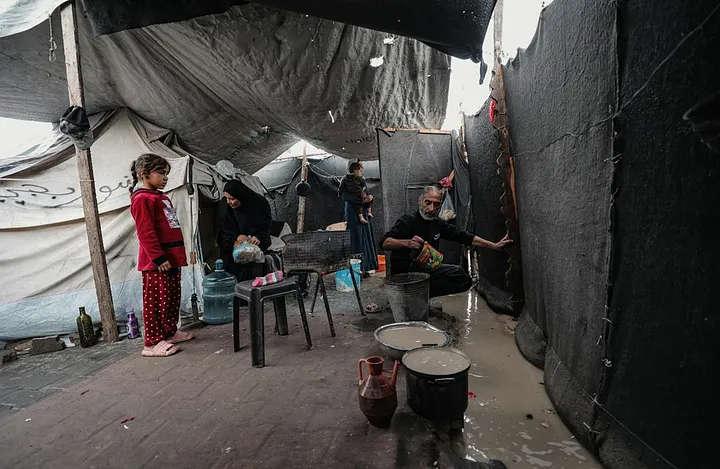
Inside overcrowded tents, shattered hospitals, and collapsing neighborhoods, families struggle to preserve dignity while the world debates their existence from afar. Through Omar’s journey from fatherhood to displacement, Grass of the Earth exposes the devastating realities of war, authoritarian control, hunger, media distortion, and cultural erasure.

Behind every collapsed building is a family that once laughed around a dinner table. Behind every statistic is a child learning to recognize drones before birds. Grass of the Earth is written to confront them with the cost of silence, the weight of survival, and the resilience of people determined to remain human even as their world burns around them.
This was a tough but absolutely necessary read. It does a masterful job of breaking your heart with the raw, everyday reality of this family’s survival, while also giving you the sharp political context you need to actually understand what’s happening. I couldn’t stop thinking about the image of the blackened basil plant long after I closed the book.
USA
What struck me most about this book is how it exposes the nightmare of being trapped between external bombs and an internal dictatorship that silences its own people. It’s a powerful, devastating critique that refuses to take the easy way out or give in to simple propaganda. Highly recommended for anyone looking for real nuance.
UK
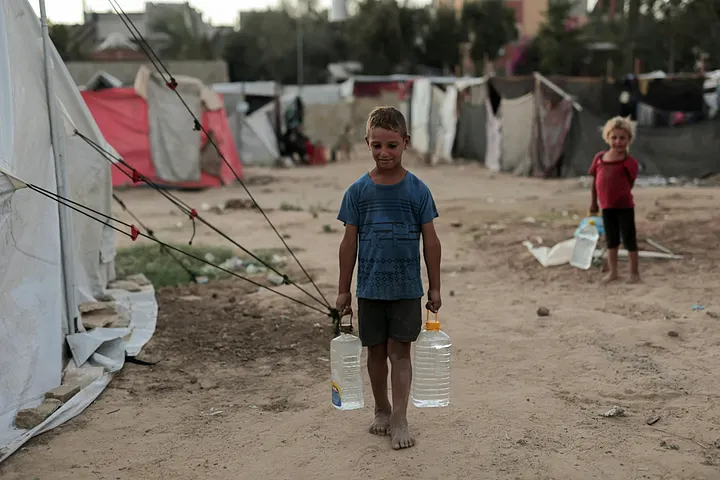
I’ve read a lot of news coverage, but nothing made me feel the sheer exhaustion of the conflict like Chapter 5’s description of the tent cities and the fight for clean water. The author’s effort to create a ‘counter-archive’ of these families’ lives is beautiful and deeply moving. It completely rehumanizes a tragedy that global media too often reduces to mere numbers.
Brazil
Survival in Gaza is not a single moment. It is something you are forced to live through every single day.
Some people survive on strength. Others survive on hope.
Home is often thought of as a place, but for many families facing war and loss, home slowly becomes the people they refuse to leave behind.
Whether you’re a reader, educator, journalist, humanitarian advocate, or book club searching for stories that leave a lasting impact, John Acree welcomes meaningful conversations around Grass of the Earth.